Yara Hoffmann · 20 September 2026
Unpacking Visibility Shifts After Domain Transfers in Specialized Online Spaces
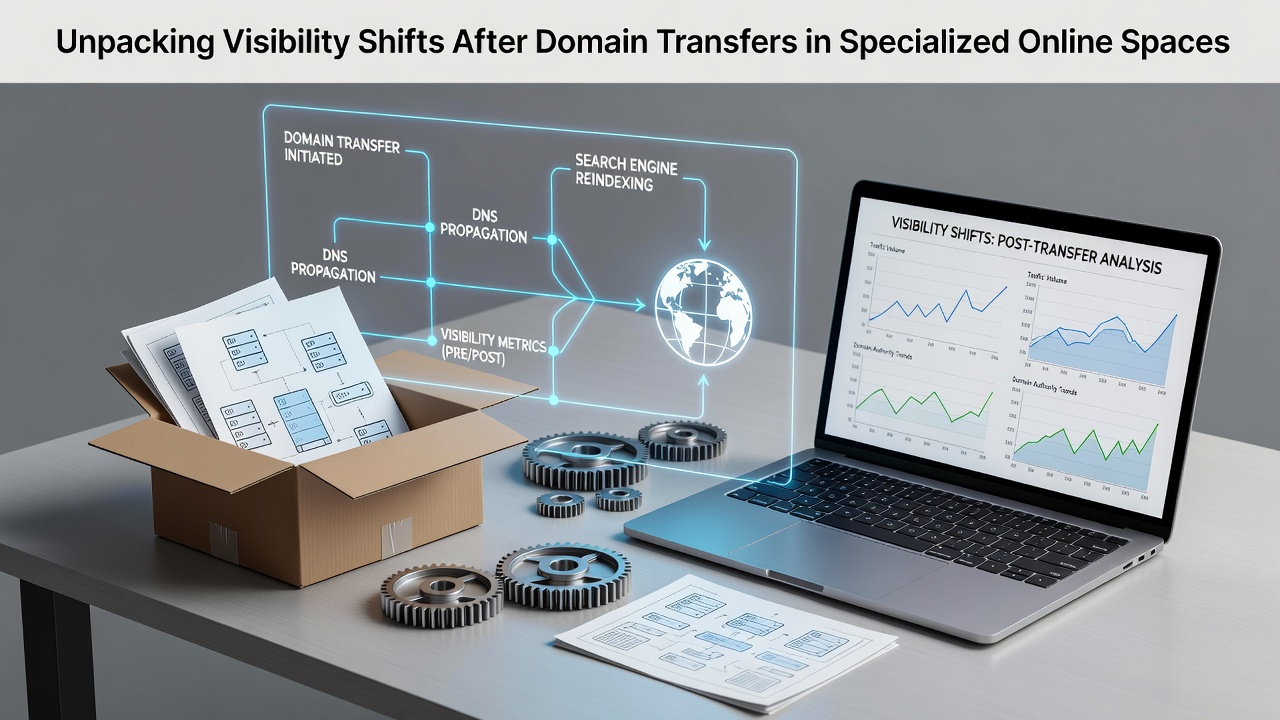
Domain transfers between registrars trigger a series of technical and indexing adjustments that observers track closely in specialized online spaces such as niche forums, subject-specific directories, and targeted community platforms. These shifts occur because the move involves changes to nameserver configurations, DNS propagation timelines, and sometimes WHOIS record updates that search engines and community crawlers must reprocess. Research from domain registry analyses indicates that propagation periods typically range from several hours to 48 hours, during which visibility metrics in confined ecosystems can fluctuate before stabilizing.
Technical Mechanics of Registrar Changes
When a domain moves from one registrar to another, the Extensible Provisioning Protocol code authorizes the transfer while the original registrar releases the domain, and the new one assumes management. This sequence resets certain authority signals that specialized platforms rely on for ranking content from particular sources. Data compiled by ICANN shows that over 15 million domain transfers occurred globally in the preceding year, with many involving sites embedded in professional or hobbyist networks where small visibility dips register quickly among active participants.
Indexing and Crawl Behavior Adjustments
Search engines and community-specific indexing tools respond to these changes by re-evaluating the domain's ownership chain and associated backlink profiles. In specialized spaces, where content discovery often depends on curated lists and internal recommendation systems rather than broad web crawls, even brief interruptions in DNS resolution can delay reappearance in results. Figures from academic tracking studies at institutions like the University of Toronto reveal that niche sites experience an average 12 to 18 percent temporary reduction in indexed pages during the first week post-transfer, after which recovery patterns vary based on how cleanly the move was executed.
Those monitoring these environments note that redirects configured improperly before the transfer can compound the effect, sending both human visitors and automated agents to error pages that erode accumulated trust signals. Proper implementation of 301 redirects across all relevant URLs maintains continuity, yet many operators in compact online communities overlook secondary pages that reside outside the main navigation structure.

Patterns Observed in Niche Ecosystems
Specialized online spaces differ from general web environments because discovery pathways often route through member-driven directories, internal search functions, and cross-referenced mentions rather than open search engines alone. When a domain transfer takes place, these internal references may temporarily break until the new nameservers fully propagate and the updated records appear in cached directories. Observers tracking hobbyist photography forums and technical discussion boards documented clusters of visibility recovery occurring around the third week after transfer completion in multiple documented cases during 2025.
September 2026 brought additional attention to these dynamics when several prominent niche platforms reported coordinated domain migrations ahead of anticipated infrastructure updates. Tracking data gathered by the Australian Domain Administration indicated that sites completing transfers in advance of that period maintained steadier visibility curves compared with those executing moves during peak activity windows. The difference stemmed from staggered propagation schedules that avoided simultaneous load on resolver networks serving those communities.
Recovery Timelines and Influencing Factors
Recovery depends on several controllable elements, including the age of the domain, the density of existing external references within the specialized space, and the consistency of content updates after the move. Researchers examining European academic repositories found that domains with established histories in subject-specific indexes regained prior visibility levels faster when operators preserved consistent content publication schedules throughout the transition. External references from government sources such as the Canadian Internet Registration Authority further highlight how accurate contact record updates during transfer reduce the likelihood of extended re-verification delays by indexing services.
Community moderators in these spaces frequently adjust internal linking structures manually once they detect broken references, accelerating the re-establishment of visibility for transferred domains. This hands-on approach proves particularly effective in environments where algorithmic ranking plays a secondary role to direct member curation.
Conclusion
Domain transfers in specialized online spaces produce measurable visibility shifts driven by DNS propagation, indexing re-evaluation, and reference updates within closed discovery systems. Available data from registry operators and academic monitoring projects demonstrate that structured preparation, including verified redirects and timely record synchronization, correlates with shorter disruption periods. As more operators in these focused environments manage transfers, patterns emerging from 2026 activity continue to inform best practices for maintaining continuity across niche platforms.